
My Services
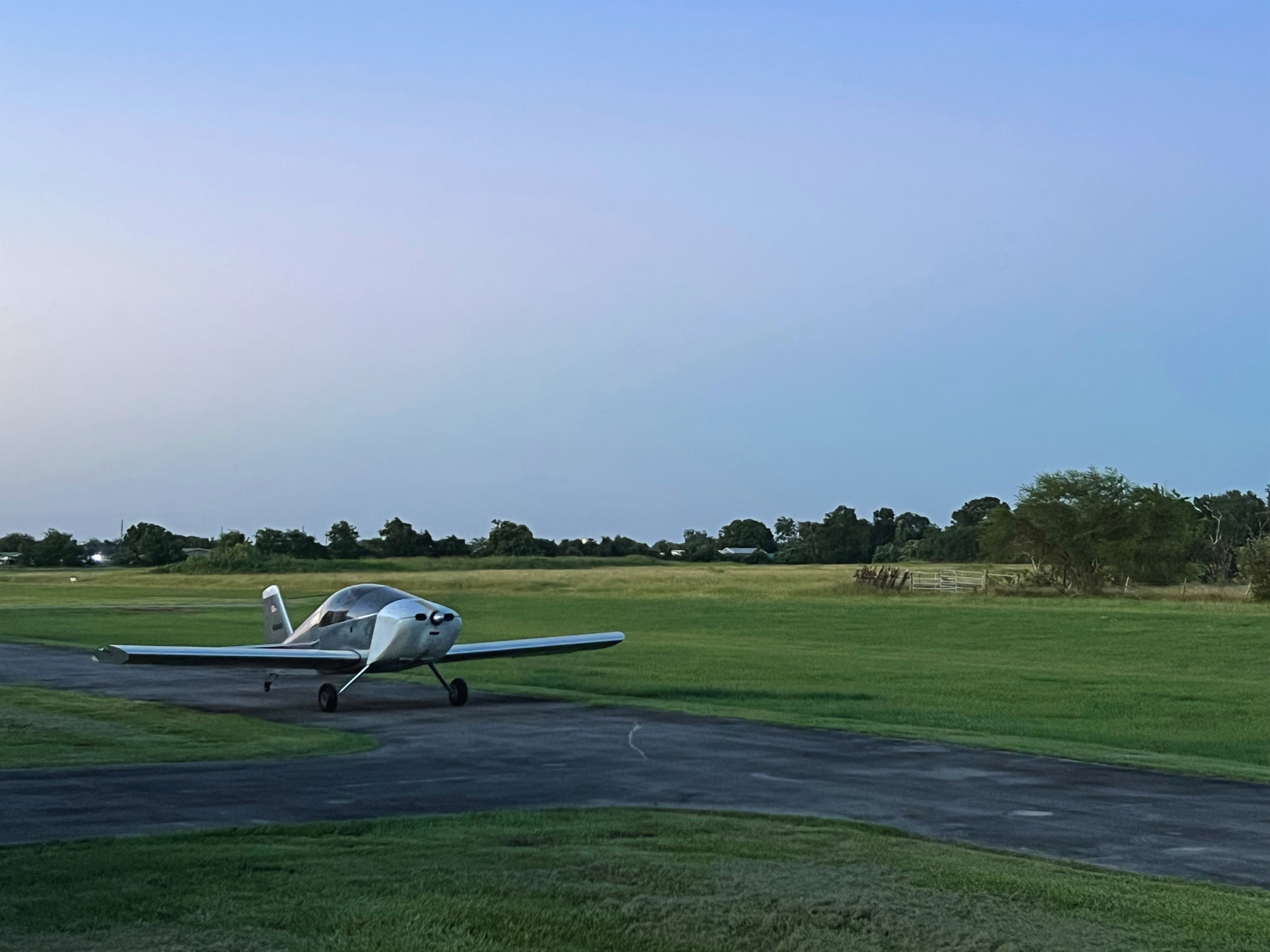
Whether you're pursuing your Private Pilot Certificate, earning an Instrument or Commercial Rating, preparing for a CFI Check-Ride, or simply staying proficient, I provide personalized flight instruction designed to help pilots at every stage of their aviation journey. Based in Houston Texas.
Private
The Private Pilot License (PPL) is where we all start it's your first step into the aviation community. Whether your goal is to fly for a major airline, take cross country trips with family and friends, or just enjoy local sightseeing flights on nice afternoons, this is where it begins.
Steps to Earn a Private Pilot License
Get an FAA medical certificate
Complete ground and flight training with a certificated instructor.
Log the required flight hours, including Instruction, solo and cross-country time.
Pass the FAA Private Pilot knowledge (written) exam.
Pass a practical exam (check ride) with an FAA examiner, demonstrating your flying skills and aeronautical knowledge.
Instrument
I'm currently working on adding instrument instruction to what I offer, building the experience and credentials to teach this rating. I'll update this page as soon as I'm ready to start taking instrument students.
What is an Instrument Rating?
An Instrument Rating (IR) lets a pilot fly safely in clouds, low visibility, and other conditions where you can't rely on looking outside using instruments alone to control the aircraft and navigate. It's one of the biggest jumps in precision and discipline a pilot can make, and it's a stepping stone toward commercial and airline flying.
Steps to Earn an Instrument Rating
Hold at least a Private Pilot License.
Log the required cross-country and instrument flight time under FAA regulations.
Complete ground training covering IFR procedures, regulations, weather, and navigation.
Pass the FAA Instrument Rating knowledge (written) exam.
Pass a practical exam (check ride) with an FAA examiner, demonstrating instrument flying proficiency.
Commercial
The Commercial Pilot License (CPL) is your first step into commercial operations and the potential to fly for compensation. It's a required rating on the path to becoming a Certified Flight Instructor (CFI), and it's a great way to build real skill even if you plan to keep flying recreationally rather than professionally. In this rating, we focus on:
Developing complete mastery of the aircraft
Building confidence in your knowledge and decision-making
Preparing you for compensated flying, CFI, and beyond
Steps to Earn a Commercial Pilot License
Hold a Private Pilot License.
Log the required flight hours, including cross-country, night, and instructional time.
Pass the FAA Commercial Pilot knowledge (written) exam.
Pass a practical exam (check ride) with an FAA examiner, demonstrating advanced maneuvers and commercial-level flying proficiency.
Tailwheel
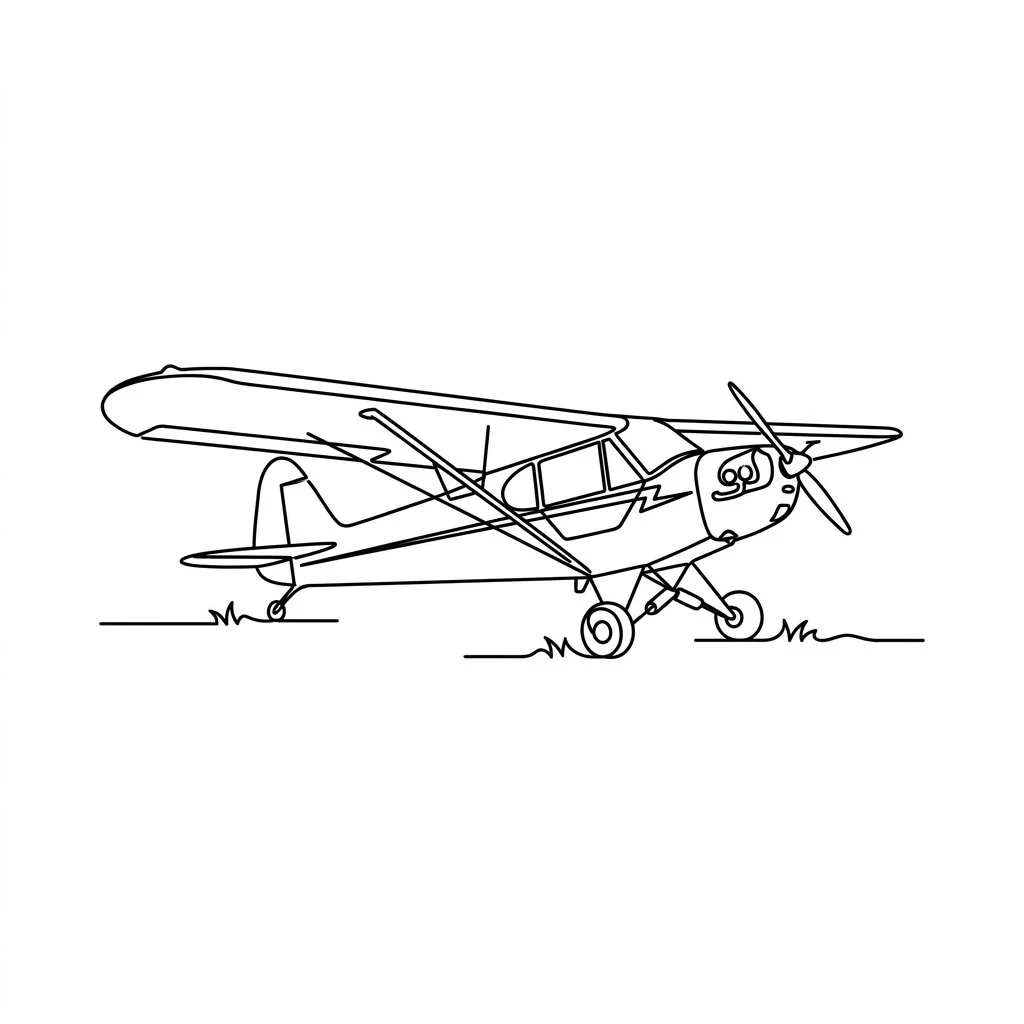
The ultimate way to learn bare-bones stick-and-rudder flying. Without a nosewheel to keep you tracking straight, a tailwheel airplane wants to swap ends the moment you get lazy with the rudder, every takeoff and landing demands active feet and full attention. Every mistake shows up immediately, and learning to land a tailwheel will sharpen skills you can carry into any other flight deck.
Rusty Pilot/BFR
Whether you haven't flown in 6 months or 20 years, a Rusty Pilot refresher or your standard Biannual Flight Review is the perfect way to knock the dust off and get back in the air with confidence. The FAA requires a flight review every 24 months to keep your certificate current, and this is a great opportunity to brush up on maneuvers, catch any bad habits, and get comfortable with current airspace and procedures before flying on your own again.
Spins
Many pilots are terrified of stalls because of the possibility of entering a spin. Spin avoidance and stall recovery are crucial skills, and hands-on spin training gives you real experience demonstrating stalls and recovering from them under control. New students and long-time pilots alike can use this training to build confidence and proficiency for the "worst case scenario."
I'll admit I used to be terrified of stalls for that exact reason. Going through spin training myself is what built my own confidence in demonstrating and recovering from them, and it's part of why I love sharing this training with my students.
Transitions
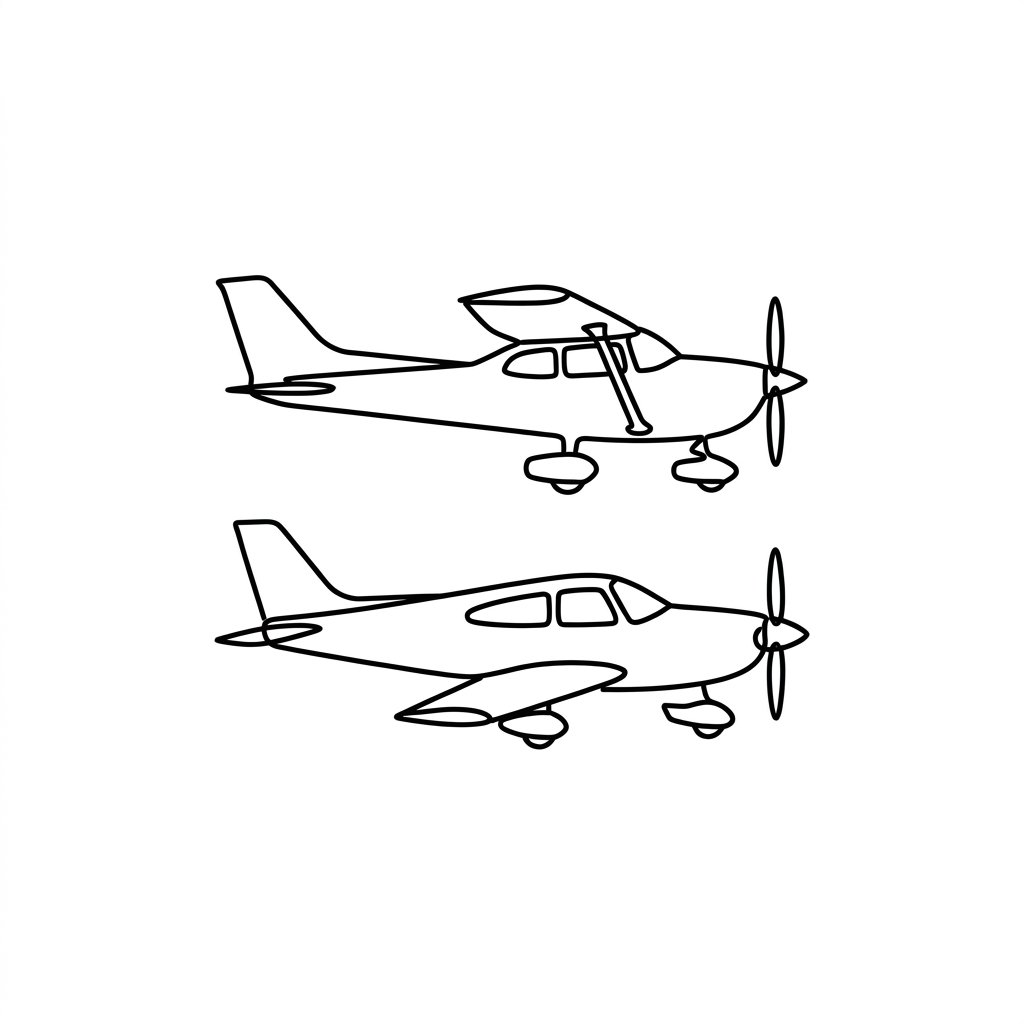
Aircraft transitions and proficiency for pilots who want to fly different types and build experience. There's never a bad time to fly with an experienced, proficient CFI and the first time you fly a new to you airplane should definitely be one of them. Some experimental aircraft transitions are available.
Relocation
David Wayne Hooks Airport (DWH) in Houston, TX, is my home base, and it's where most of my flying experience comes from but I'm familiar with plenty of other airports and comfortable stepping into aircraft for relocations. I've successfully completed multiple cross country ferry and relocation flights, hand-flying 1,000+ miles in a plane I'd never seen until that day. It takes experience, top notch decision making, and someone you trust to take care of your new investment.
Advice
A phone call is always free. Whether you're wondering what it takes to earn your Private Pilot Certificate, mapping out the path from PPL to CPL and eventually CFI, weighing whether to add an Instrument Rating, or just not sure where to start, I'm happy to talk it through. I'm passionate about giving back to the general aviation community and have made a lot of great connections along the way. If I can't help you, I'll do what I can to find someone who can.
Get In Touch
If you're interested in working with me, complete the form with a few details about your interest or questions and i will get back to you as soon as practicable.